The Best Coworking Spaces for Remote Workers Who Actually Get Things Done
I’ve worked from 47 different coworking spaces across three continents, and most of them are terrible for actual work.

The Instagram-worthy ones with neon signs and kombucha on tap? Usually packed with networking events and “entrepreneurs” who spend more time taking selfies than shipping code. The cheap ones? You get what you pay for — wobbly desks, spotty WiFi, and the constant hum of a broken air conditioner that nobody bothers to fix.
But scattered among the mediocre majority are spaces that genuinely understand what remote workers need: reliable internet, comfortable seating, reasonable noise levels, and the kind of atmosphere that makes you want to open your laptop and get to work. After years of trial and error (and way too much money spent on day passes), What I’ve learned about finding coworking spaces that actually work.
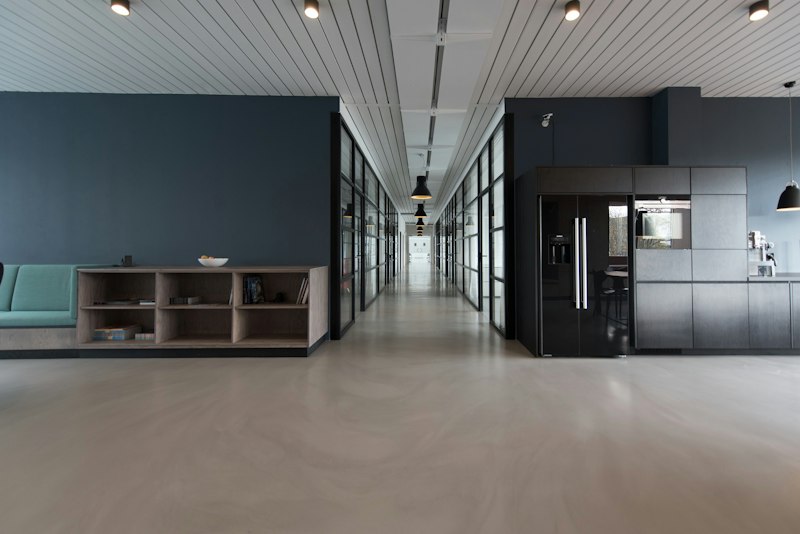
The best coworking spaces balance community with productivity
What Makes a Coworking Space Actually Work for Remote Workers
The fundamentals matter more than the fancy amenities. I’ve done my best work in spaces that nail the basics rather than the ones with ping pong tables and craft beer on tap. Your internet connection needs to be fast enough for video calls without making you look like a pixelated mess. The chairs need to support eight hours of work without destroying your back. The coffee needs to be decent enough that you’re not constantly leaving to find a real café. And perhaps most importantly, the space needs to attract people who are there to work, not to network their way through another “disruptive” startup idea.
Your noise level is where most spaces fail spectacularly. Open floor plans look great in photos, but they’re productivity killers when you’re trying to focus on complex work. The best coworking spaces have figured out how to create zones — areas for collaboration and conversation, quiet zones for focused work, and phone booths for calls. They understand that remote workers aren’t just looking for a place to sit with their laptop; they’re looking for an environment that enhances their ability to do their job well.
Location matters more than you might think, especially if you’re using the space regularly rather than just dropping in occasionally. A space that’s convenient to your home, your gym, or your favorite lunch spot becomes part of your routine in a way that makes the whole remote work lifestyle more sustainable. I’ve seen people choose inferior spaces simply because they’re a five-minute walk from home, and honestly, that’s often the right call. The best coworking space is the one you’ll actually use consistently.

The Big Players: WeWork and Beyond
WeWork gets a lot of hate, and some of it’s deserved, but they’ve also figured out a few things that smaller spaces haven’t. Their app actually works, which sounds basic but isn’t universal in this industry. You can book meeting rooms, see which locations have availability, and access any WeWork globally with your membership. The consistency is valuable when you’re traveling — you know what you’re getting, even if what you’re getting isn’t always spectacular.
The real advantage of WeWork and similar large chains is their infrastructure. The internet is fast, the printers work, and there’s usually someone around to help when things go wrong. They’ve also gotten better at managing noise levels, with most locations now having designated quiet areas and phone booths that actually block sound. The downside is the corporate feel and the higher prices, but if you need reliability over character, they deliver.
Regus and Spaces (owned by the same parent company) offer a more business-focused alternative that appeals to remote workers who want a professional environment without the startup theater. Their spaces tend to be quieter and more focused on actual work, though they can feel a bit sterile. The global access is excellent if you travel frequently, and their meeting room booking systems are generally more reliable than smaller independent spaces.
Independent Spaces That Get It Right
The best independent coworking spaces understand their local community in ways that chains never can. They know whether their members prefer collaborative energy or quiet focus, and they design their spaces accordingly. In Austin, I found spaces that stayed open late because tech workers preferred evening hours. In Barcelona, the best spaces had strong afternoon coffee cultures that matched local work rhythms. These spaces succeed because they’re built for their actual users, not for Instagram photos.
What sets great independent spaces apart is their attention to the details that matter for daily use. They have enough power outlets in the right places. Their WiFi networks are properly configured for high usage. They stock the kind of snacks and drinks that people actually want during a long work session. They understand that their success depends on members being productive and happy, not on hosting the most networking events or having the most colorful wall murals.
The community aspect works better in independent spaces when it’s organic rather than forced. The best ones create environments where connections happen naturally — shared lunch areas, coffee stations that encourage brief conversations, or evening events that are genuinely interesting rather than thinly veiled sales pitches. They attract people who are there to work first and socialize second, which creates a much better dynamic for remote workers who need to get things done.

Specialized Spaces for Different Types of Remote Work
Not all remote work is the same, and the best coworking spaces recognize this. If you’re a developer who needs multiple monitors and absolute quiet for deep focus sessions, you want something very different from a sales professional who’s on video calls all day. Some spaces have figured out how to cater to specific types of work, and they’re worth seeking out if they match your needs.
Tech-focused spaces often have better hardware setups — standing desks, monitor arms, mechanical keyboards available for use, and power strips designed for multiple devices. They understand that developers might need to run local servers or use bandwidth-intensive tools, so their internet infrastructure is built accordingly. The culture in these spaces tends to respect deep work time, with unwritten rules about when it’s okay to interrupt someone and when it’s not.
Creative spaces take a different approach, with more flexible furniture arrangements, better lighting for design work, and often some basic production equipment like cameras or recording setups. They tend to be more collaborative by nature, which works well for creative professionals who benefit from bouncing ideas off others but can be distracting for work that requires sustained concentration.
The Economics of Coworking for Remote Workers
The math on coworking memberships is more complex than it first appears. A $200 monthly membership might seem expensive compared to working from home, but when you factor in the cost of a proper home office setup, increased productivity, and the mental health benefits of getting out of the house, it often makes financial sense. The key is being honest about how often you’ll actually use the space and what you’re getting for your money.
Day passes are useful for trying out spaces, but they’re rarely cost-effective for regular use. Most spaces offer better rates for monthly or annual memberships, and the savings add up quickly if you’re using the space more than a few days per month. Some spaces also offer part-time memberships or punch cards that can be more economical if you only need access occasionally.
The hidden costs matter too. Parking fees, coffee purchases, and lunch expenses can add up quickly, especially in downtown locations. Some spaces include these amenities in their membership fees, while others charge separately for everything. Factor in your total daily cost when comparing options, not just the membership fee.

Making Coworking Work for Your Remote Work Style
The best coworking space for you depends entirely on how you work best. If you’re someone who thrives on energy and background buzz, look for spaces with open layouts and active communities. If you need quiet focus time, prioritize spaces with dedicated quiet zones and good sound management. If you’re frequently on calls, make sure there are enough phone booths and that they’re actually soundproof.
Try before you commit. Most spaces offer day passes or trial periods, and it’s worth using them to test the space during your typical working hours. A space that’s perfect at 10 AM might be chaos by 2 PM when the lunch crowd arrives. Pay attention to the WiFi speed during peak hours, the availability of good seating, and whether the noise levels work for your concentration style.
Consider your routine beyond just the work hours. Is there good coffee nearby for your morning ritual? Can you grab lunch without a long walk? Is the commute reasonable from your home? These factors affect whether you’ll actually want to use the space consistently, which is what makes a coworking membership worthwhile.
The best coworking spaces for remote workers are the ones that fade into the background and let you focus on your work. They provide the infrastructure, community, and environment that makes remote work sustainable and productive, without getting in the way of actually getting things done. Whether that’s a sleek WeWork in a downtown high-rise or a converted warehouse space run by locals who understand their community, the right space becomes an extension of your professional life that makes everything else work better.